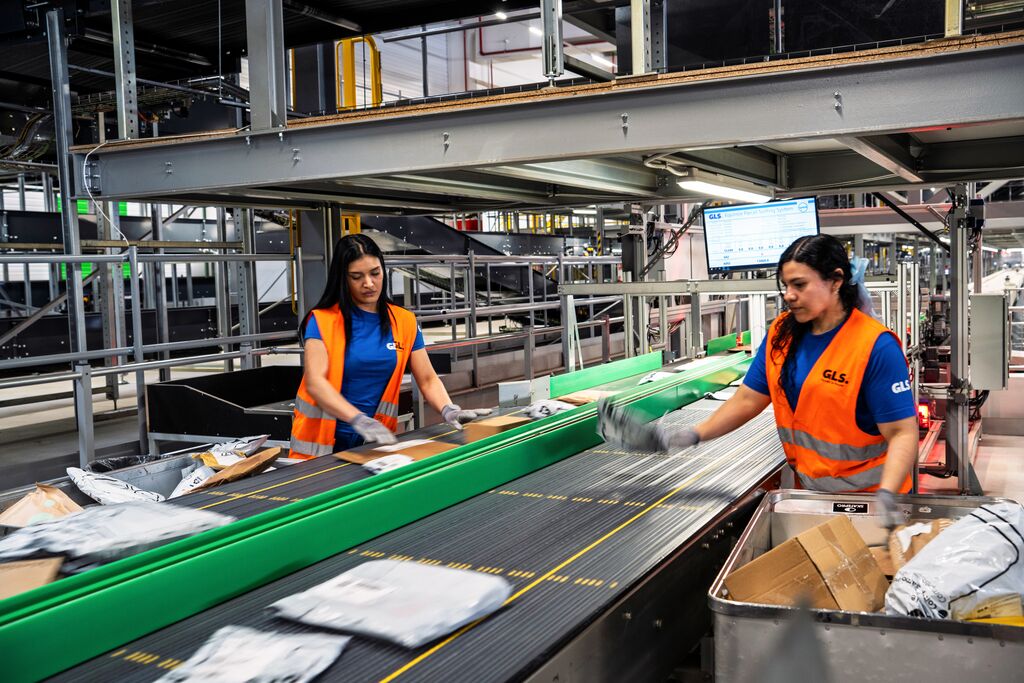
Order picking is one of the most important tasks in a warehouse. It is the operation responsible for selecting, organizing, and packaging the products requested by customers for subsequent shipment, whether to individuals or businesses. Optimizing this activity is key to reducing operational, distribution, and product marketing costs, while ensuring timely deliveries in perfect condition.
Order picking is essential in logistics
Order picking is a fundamental task within the logistics process, as its goal is to deliver the highest possible number of orders in the shortest time and at the lowest cost.
A high percentage of a warehouse’s total operating costs is allocated to order picking, which is why reducing its impact is crucial for a company’s success.
For a product to reach the customer correctly, good warehouse organization is essential. This involves having the appropriate storage system for each type of merchandise, implementing a warehouse management system that optimizes operators’ routes, and having the right infrastructure in place, among other measures.
Types of order picking: manual, semi-automated, and automated
The order picking process in a warehouse can be carried out in different ways, leading to several types of picking systems:
- Manual order picking does not rely on technology. Operators select, organize, and package products themselves, making it an ideal system for small companies with a low order volume or businesses that prefer shipping personalized products.
- Semi-automated order picking combines manual work with technological assistance, making it suitable for growing companies or businesses that ship a wide variety of products.
- Automated order picking uses a fully automated system, minimizing human intervention to increase efficiency, making it perfect for large companies with a high volume of orders.
What is the order picking area and how should it be organized correctly?
As mentioned earlier, warehouse organization and layout are key to efficient order picking. This requires prior planning that takes into account the number of daily orders being prepared.
This is where the so-called order picking area comes into play, which is the section of the warehouse dedicated to collecting, grouping, and preparing products for shipment.
When designing it, it is important to analyze the characteristics of the order, the size, weight, location, and positioning of the load units, as well as the distance operators must travel to complete the picking process. This makes it possible to create an optimized order picking area so the process can be carried out quickly, accurately, and while making the best use of available space.

Step by step: the order picking process in a warehouse
For warehouse order picking to be efficient, it is important to understand the different stages of the process:
- The order request is reviewed to gather all information regarding data, quantities, or special requests.
- The product is located in the warehouse, ensuring its exact location is identified.
- The products are verified, both in terms of quantity and quality, to avoid damaged goods or report stock shortages if necessary.
- The products are packaged safely and efficiently, organizing and protecting them in properly sealed boxes.
- The complete order is checked to ensure that all products to be shipped are correctly packaged.
- The order is dispatched by placing the package in the designated warehouse area and ensuring it reaches the carrier.
Throughout this entire process, prior planning is essential in order to manage and allocate available resources efficiently.
Tools and technologies that improve order picking
Businesses equipped with a warehouse management system (WMS) and automated solutions have software capable of prioritizing order requests and assigning tasks efficiently.
In other cases, the use of autonomous mobile robots (AMRs) or automated storage systems helps increase efficiency when there is a high volume of orders.
Incorporating stacker cranes, ergonomic picking equipment, or barcode identification systems are other tools and technologies that improve warehouse order picking by increasing efficiency and speed while reducing errors.
Common order picking mistakes and how to avoid them
Customer satisfaction depends on effective order picking. Poor packaging can lead to complaints, while a damaged or incorrect product may result in losing a customer. To avoid this, it is essential to prevent the following order picking mistakes:
- Picking the wrong item in the warehouse because it is stored in the wrong location. Order and organization, supported by a clear system, are essential for shipping the correct products to customers. This also prevents losses and wasted time.
- Failing to pick the correct product or the right quantity because the order information was not properly checked before preparation began.
- Using inadequate or insufficient packaging can damage the product during transport. Taking the product’s characteristics into account is key to choosing the right packaging.
- Poor product labeling causes identification problems during preparation. Clear and accurate labels are essential to save time and ensure that customers receive exactly the product they ordered.
In most cases, the use of advanced technology helps minimize errors in order picking. Team communication and coordination are also essential, as are regular inventory checks. A clear warehouse organization system and proper staff training are key to successful picking.